
Niaouli
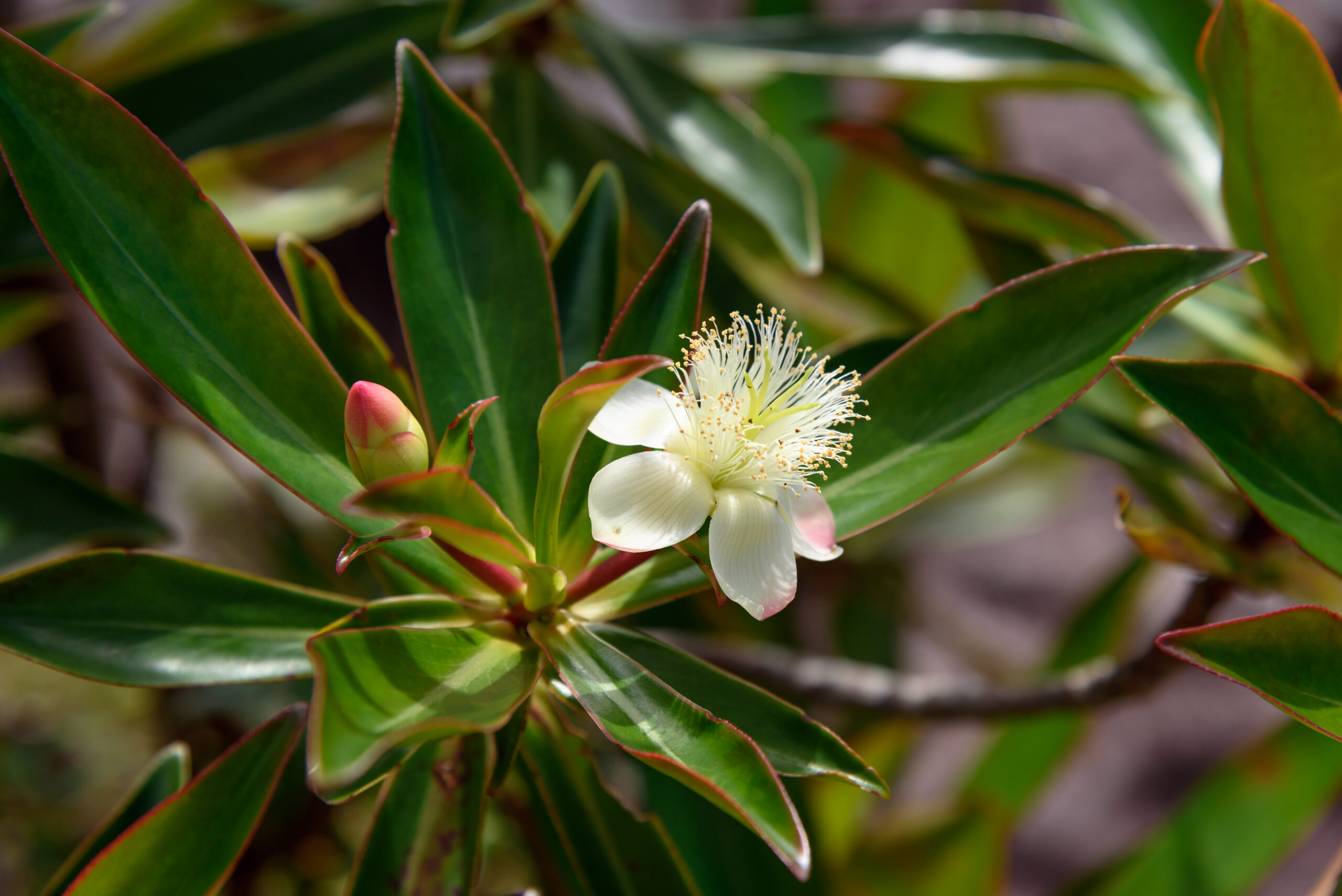
Discover the natural power of Organic Niaouli Essential Oil. This precious oil is extracted from the leaves of the Niaouli tree, a native tree originally found in the lush forests of Australia.
Characteristics
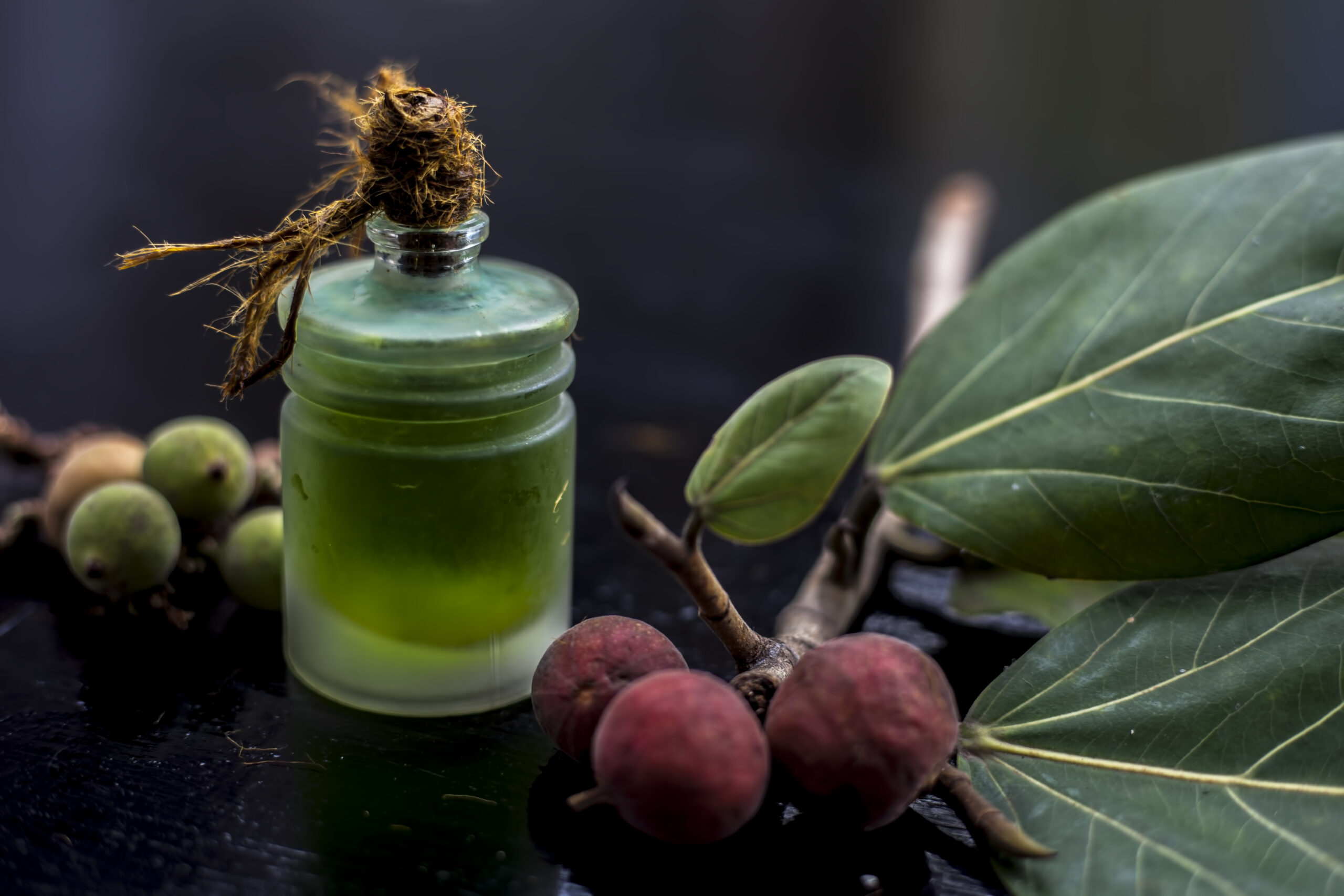
- Our organic Niaouli essential oil is carefully distilled and is 100% pure, with no additives or synthetic substances. The organic production process ensures the oil is free from harmful pesticides and chemicals, providing you with a pure and natural product that is good for both you and the environment.
- Niaouli essential oil is known for its refreshing and stimulating aroma, which helps relieve congestion, improve breathing, and reduce fatigue. Additionally, it has powerful antiseptic properties, making it an ideal choice for skincare. It can be used to treat acne, disinfect wounds, and soothe the skin.
Usage
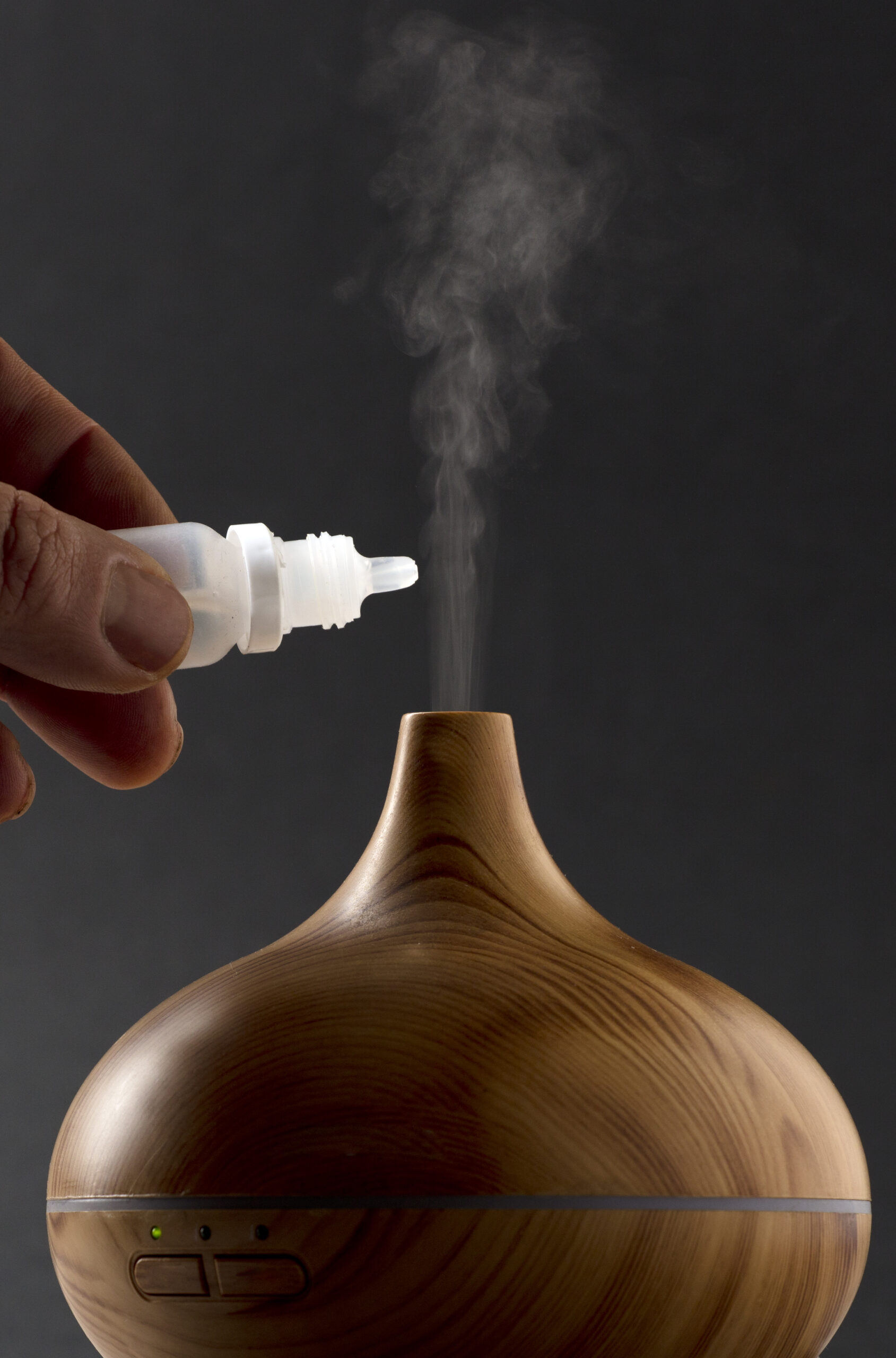
- Relief of respiratory issues: Niaouli essential oil is known for its ability to improve breathing and relieve congestion. It can be used in steam inhalations or diffusers to ease sinus congestion, colds, and coughs.
- Skincare: This oil has antiseptic and healing properties, making it useful for skin problems such as acne, pimples, wounds, and insect bites. It can be diluted with a carrier oil and applied locally to the skin.
- Aromatherapy: Niaouli essential oil has a refreshing and stimulating aroma that can uplift the mind and enhance concentration. It is often used in aromatherapy to reduce stress, clear the mind, and combat fatigue.
- Disinfection: Due to its antiseptic properties, Niaouli essential oil can be used to disinfect surfaces and objects. Add a few drops to water to create a natural disinfectant spray.
- Massage: Mix Niaouli essential oil with a carrier oil such as jojoba or almond oil and use it for a relaxing massage. It can help reduce muscle tension and promote a sense of well-being.
- Hair care: Add a few drops of Niaouli essential oil to your shampoo or conditioner to refresh the scalp and promote hair growth.
- Essential oils are concentrated substances. They should always be diluted before applying to the skin. Not for internal use.
Precautions
Please read the precautions and safety instructions below carefully. Essential Oils are 100% pure natural. However due to the high concentration, the use of essential oils could come with riscs in case not handled carefully.
Precautions
Dosages and recommendations
- It is crucial to follow the dosage and directions for use indicated by a health professional or aromatherapist.
- Dosages vary according to need and use, and must be adapted to your state of health.
Children and essential oils
- Never give essential oils to children under 7 years of age without consulting a physician. For some oils, this threshold may be even higher.
Pregnancy and breast-feeding
- It is generally not advisable to use essential oils during pregnancy or while breast-feeding without medical advice, as some oils may cause adverse effects such as contractions or reduced lactation.
Specific medical conditions
- Essential oils are contraindicated for people with epilepsy, asthma, allergies or known hypersensitivity. They should not be administered without prior medical consultation.
Avoid the following routes of administration
- Never inject essential oils intravenously or intramuscularly.
Allergy test
- Before using for the first time, we recommend testing the essential oil on a small area of skin. Mix a drop of essential oil with a vegetable oil and apply to the crease of the elbow. Wait 24 hours to check for any allergic reaction.
Precautions for atmospheric diffusion
- Some oils can be irritating to the respiratory tract, especially when diffused over long periods. It is important to avoid continuous diffusion or diffusion in closed rooms.
- Never diffuse essential oils in the presence of young children, pregnant women, asthmatics or allergy sufferers without medical advice.
Accidental eye or skin contact
- In the event of accidental eye contact, wipe immediately with absorbent cotton soaked in vegetable oil. Never use water, as essential oils are not water-soluble.
- If pure essential oils come into contact with the skin, dilute them immediately with a vegetable oil to avoid irritation or burns.
Sun sensitivity
- Some essential oils are photo-sensitizing (e.g. Bergamot and Lemon). After applying them to the skin, avoid exposure to sunlight or UV rays for several hours.
Storage of essential oils
- Keep your essential oils in well-closed bottles, away from light and heat, to preserve their properties.
- Avoid putting them to bed, as they can be corrosive, leaving the oils in prolonged contact with the plastic dropper.